
3 steps to take after a diabetes diagnosis
These tips can help you manage your condition and take back control of your health.
Diabetes is not a “set it and forget it” condition. As life changes, you may have to change how you handle your diabetes.
That calls for the right mix of diet, healthy habits, and medications. The key to staying on top of it all: Learn as much as you can and find ways to stay motivated. Here are some tips to get started.
Get comfortable with blood sugar testing
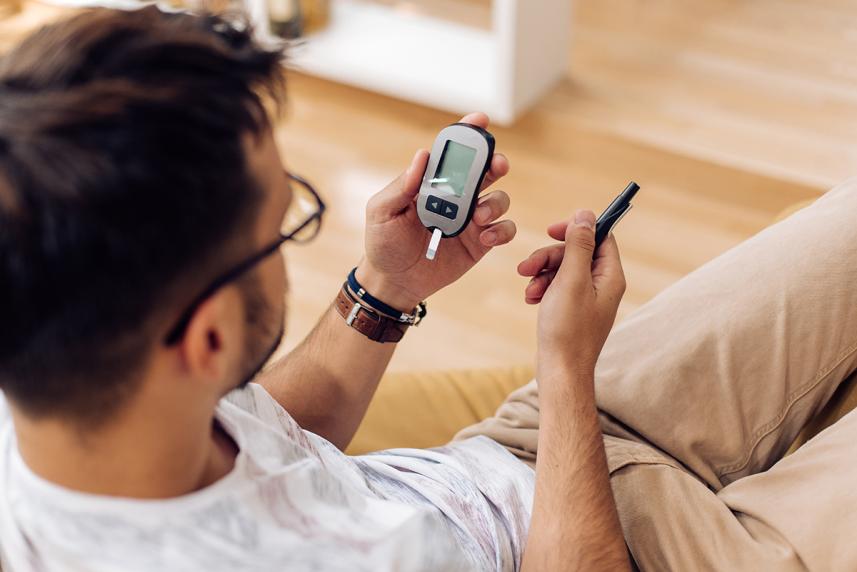
With diabetes, you’ll want to keep your blood sugar within a certain range. Your doctor will talk to you about a goal range. They will also show you how to test your blood sugar.
Most blood sugar tests use a small needle to poke your finger. You squeeze a tiny drop of blood onto a testing strip. The strip is inserted into a machine called a glucometer. It gives you an instant reading of your blood sugar.
Testing is recommended at these times of day:
When you first wake up
Before a meal
2 hours after a meal
At bedtime
Your doctor may ask you to track a few things over time:
Your blood sugar numbers
What you eat
When you exercise
Having this info can make it easier to spot trends and changes. If something looks off, talk to your provider. They can change your care plan if needed.
In some cases, your doctor may suggest wearing a small device called a continuous glucose monitor. To use it, you insert a small sensor under your skin. The sensor collects real-time readings 24 hours a day.
Build your diabetes care team
It can feel like there’s a lot to manage with diabetes. But remember: You won’t be doing it alone. Your care team can offer support. They can also share the education you need to take care of yourself. Your care team might include:
A primary care provider or endocrinologist: This person can treat your condition and help you track your blood sugar levels. They can explain how stress or sickness might affect your diabetes.
A foot doctor or podiatrist: If your blood sugar stays high over a long period, it can lower blood flow to your feet and cause damage. A foot doctor can help you manage issues such as nerve damage, infection, or injury.
An eye doctor or ophthalmologist: Over time, high blood sugar levels can damage your eyes. Eye doctors are trained to catch small changes in your eye health early. This can help fend off diabetes-related vision loss.
A registered dietician: This person is an expert in nutrition. They can help you develop a healthy eating plan to manage your weight and your blood sugar levels.
A registered nurse: They work in your doctor’s office and help coordinate your care needs. They may have specialized training in diabetes.
A pharmacist: They can talk with you about your medications. For example, they can answer questions about side effects. They can also tell you about possible interactions with other drugs or supplements.
A mental health professional: People with diabetes are more likely to have depression than those who don’t. That’s why it’s so important to have someone you can turn to for support. That might be a:
Clinical social worker
Therapist
Counselor
Psychologist
You can also ask your doctor if they can suggest free support groups.
If you can, build a care team within a single hospital system or health system. That makes it easier for your care team members to work together.
You can always ask your doctor for a referral. Talk to them about what type of providers should be part of your care team. Another helpful tool: Wellframe. This digital health management app is included in your plan. You can use it to search for in-network specialists or to send a secure message to your care manager.
Start healthy habits
A lot of things can affect your diabetes. That includes stress, smoking, medications, and more. The good news: Making healthy lifestyle tweaks over time can help you get control of your health. Here are some good goals to aim for:
Eat well. Your care team will give you a meal plan. What you eat has a direct impact on your blood sugar levels.
Move more. Exercise can lower your blood sugar quickly. It also helps keep your levels steady. Pick an activity you enjoy. That way it’s easier to stick with it. The goal: Work up to 150 minutes of activity each week. Start at your current fitness level where you feel comfortable. Every minute of movement does your body good.
Mind your meds. Some people can manage their diabetes with diet and exercise. Others need medication to keep their diabetes in check. If your doctor prescribes pills or injections, make sure you understand exactly how and when to take them. Need help remembering? Your Wellframe app has a reminder tool to make this easier.
Deal with stress. When you’re stressed, you may have a harder time sticking to your healthy habits. Stress can raise blood sugar levels. Of course, no one can be stress-free. But you can find ways to cope better when stress hits. Do you like yoga, talking to a therapist, or daily walks? If it’s healthy and it works for you, go for it.
Get quality sleep. Poor sleep can cause your blood sugar to rise. That’s why getting a good night’s rest is key for keeping your levels steady. A few tips: Go to bed at the same time each night. Keep your bedroom dark and cool. Avoid using your phone or tablet before bedtime. And steer clear of caffeinated drinks in the afternoon.
Remember: There’s a lot you can do to take control of your health. But if you think something you’re doing isn’t working, or you have concerns, talk to your care team. They’re there to help.
Article sources:
Type 2 diabetes overview: Centers for Disease Control and Prevention
Managing blood sugar: Centers for Disease Control and Prevention; Cleveland Clinic
Diabetic foot exam: National Library of Medicine: MedLine Plus
Healthy lifestyle changes: American Heart Association
Diabetes and smoking: Centers for Disease Control and Prevention
Diabetes and mental health: Centers for Disease Control and Prevention
Diabetes and sleep: Sleep Foundation; Centers for Disease Control and Prevention